The EV Charging Landscape in Vietnam: Strategic 34-Province Mapping and the Battle for Accessibility
As Vietnam accelerates its journey toward sustainable mobility, "range anxiety" is being replaced by a sophisticated network of high-speed charging hubs. However, for a newcomer to the Vietnamese electric vehicle (EV) market, the landscape is both a land of opportunity and a strategic hurdle. At the center of this tension is the massive infrastructure moat built by VinFast and its dedicated charging subsidiary, V-Green.
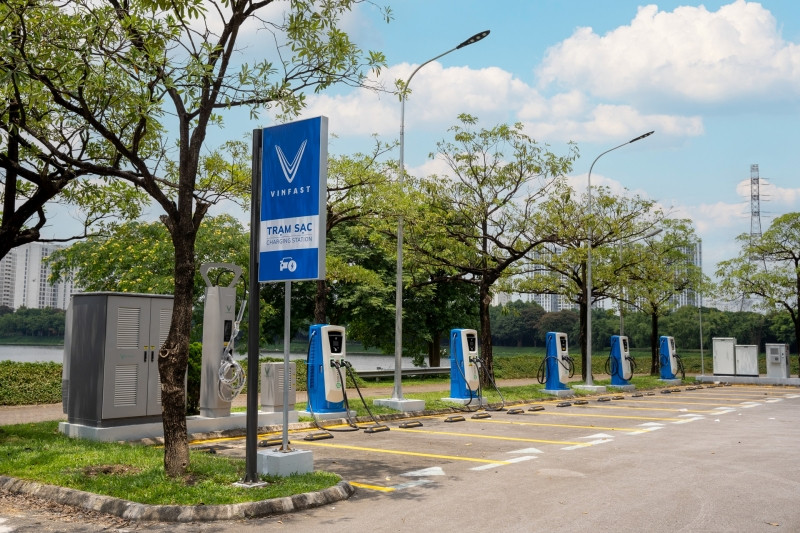
1. The 34-Province Mapping: V-Green's Strategic Expansion
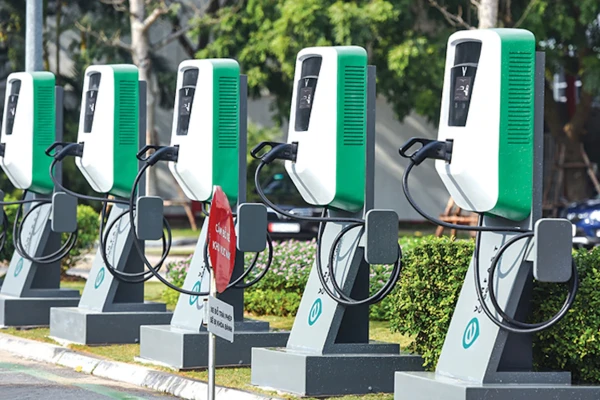
By 2024-2025, Vietnam's charging network had already reached a milestone of 150,000 charging ports across all 63 provinces. But the real game-changer is the V-Green initiative for 2026. This plan focuses on deploying 99 ultra-fast charging hubs specifically distributed across 34 key provinces and cities along national highways and inter-provincial routes.
This geographic distribution targets the major arterial roads of the country. It ensures that an EV driver traversing from the North to the South is never more than 50km from a high-capacity charger. These hubs feature 150kW ultra-fast technology, capable of charging most modern EVs to 80% in roughly 15 to 20 minutes.
2. The "VinFast Monopoly": A Decisive Competitive Moat
In many global markets, charging infrastructure is shared. In Vietnam, however, the vast majority of public chargers belong to V-Green and are currently **exclusive to VinFast owners**. This creates a significant barrier—often called the "VinFast Monopoly"—for international brands like BYD, MG, or Wuling as they attempt to enter the market.
For the Vietnamese consumer, the decision often comes down to practicality: Why choose a global luxury EV if the most extensive charging network in the country is off-limits? This exclusivity forces other manufacturers to innovate through alternative charging ecosystems.
3. Opportunities and Challenges for New Entrants
International manufacturers are navigating the exclusive network challenge through three primary strategies:
- Third-Party Infrastructure Partnerships: Companies like EV ONE, Rabbit E-V, and EBOOST are building open-access networks. While smaller than V-Green, these platforms allow multiple brands to share locations at shopping malls, hotels, and office complexes.
- Home Charging Ecosystems: For many urban buyers, the home is the primary "fuel station." New entrants are bundling high-speed wallbox chargers to make public charging less of a daily requirement.
- Mobile Charging Solutions: Creative services like mobile charging vans are being introduced to alleviate anxiety for brands without a national highway footprint.
4. The Shift Toward Universal Standards
Industry analysts believe that a closed charging loop is unsustainable for long-term national growth. As international brands increase their market share, there is growing pressure for government-mandated **Universal Charging Standards**. We are already seeing a trend where charging hubs at state-partnered gas stations are increasingly required to provide open-access ports, potentially leveling the playing field by 2027.
Conclusion
The 34-province expansion of ultra-fast hubs is cementing Vietnam's position as an EV leader in Southeast Asia. For new manufacturers, the dominance of VinFast is a formidable obstacle, but it is also driving a vibrant ecosystem of third-party services and home charging solutions. The winner in 2026 won't just be the brand with the best car, but the brand that provides the most reliable energy access.
At GOCheap, we are committed to this green transition. From our sustainable fleet management to our premium driver services, we ensure that your electric journey is smooth, charged, and worry-free.